
What GTA 6 Can Teach the Music Industry About Building Lasting Fans
Getting someone to hear a song is one achievement. Giving them a reason to return to it is another.
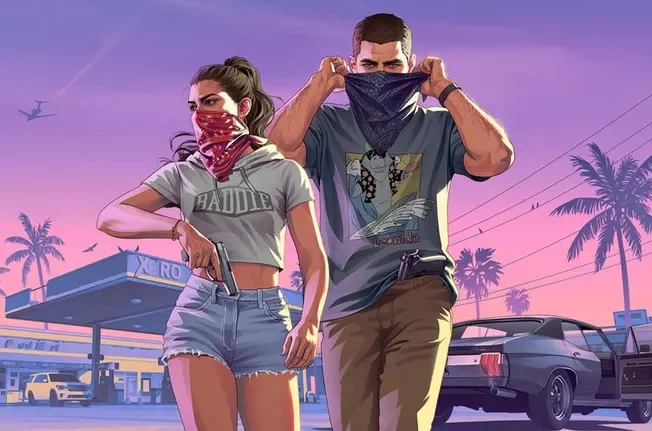
Nick Ditri’s recent Hypebot article explores that distinction through Grand Theft Auto: music can become more meaningful when people discover it within an experience they enjoy and revisit.
That idea deserves a place in the conversation about artist development.
Music marketing often revolves around the release calendar. Announce the single. Publish the content. Secure placements. Track performance. Move to the next campaign.
Each step has a purpose. But the calendar alone cannot answer a fundamental question: What will make this song matter to someone after release week?
Gaming offers a useful perspective. A song can become associated with a setting, a character, or a moment the player remembers. That context gives the listener something beyond the recording itself.
For artists, labels, and managers, my takeaway is to build that question into the campaign brief from the beginning.
Consider three practical changes.
Give every partnership a creative purpose.
Before pursuing a placement, describe why the music belongs in that experience. Audience size is useful, but creative fit should help determine whether the opportunity makes sense.
Plan what happens after discovery.
If someone hears a track in a game or through a creator, how easily can they find the artist? Is there a clear path to more music, an upcoming performance, or a community worth joining? Discovery should lead somewhere.
Evaluate the relationship over time.
A campaign review could include a follow-up after 30, 60, and 90 days. Are new listeners returning? Are they exploring other releases? Are they taking another step toward the artist? These questions can help teams decide which partnerships deserve continued investment.
This approach also changes how we budget. Alongside launch activity, we should consider resources for the experience surrounding the music and the relationship that follows.
The opportunity is to design campaigns with a longer horizon.
If the release date disappeared from your campaign brief, what would still give people a reason to care?
That is a question worth asking before the next launch.
