
industry news
AI’s Biggest Opportunity in Music May Be Behind the Scenes
When we talk about AI in music, the conversation usually focuses on creativity: generating songs, replicating voices, and protecting copyright.
But another opportunity deserves attention: improving how the industry manages rights, data, and payments.
In a recent Hypebot article, OpenPlay co-founder Edward Ginis argues that autonomous AI agents could help address the fragmented systems that underpin the music economy.
AI in Music: Growth Starts With the Catalogue We Already Have
The music industry’s AI debate often focuses on who, or what, will create the next song. an equally valuable question is how technology can help existing music earn more.
In a recent Hypebot article, LyricFind founder and CEO Darryl Ballantyne explains how AI can support lyric workflows and expand revenue opportunities for songwriters and publishers.
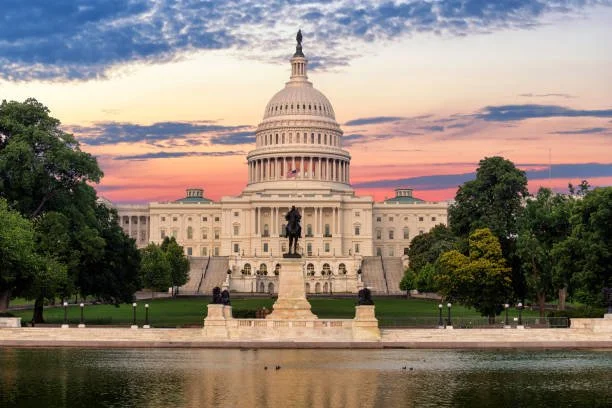
Congress Has Entered the Music Business
Apparently, the music industry now has a new collaborator: Congress. And instead of writing lyrics, they're writing legislation.

The Music Industry in 2026: More Streams, More CDs, and Somehow More Music
If you thought everyone was tired of listening to music, Luminate has some news for you: absolutely not.
According to the 2026 Midyear Industry Report, global on-demand audio streaming reached a massive 2.8 trillion streams during the first half of the year; a 9.8% increase from the same period in 2025. In other words, humanity collectively decided that apparently we still need background music for absolutely everything.
Warner Music, AI, and the New Business of Making Music
The music industry has officially entered its “If you can’t beat them, negotiate with them” era.
According to Axios, Warner Music Group CEO Robert Kyncl believes artificial intelligence could create an entirely new source of income for artists and songwriters: getting paid not just when people listen to music, but when music is created with AI.
Welcome to the Superfan Economy: How Much Is Front Row Really Worth?
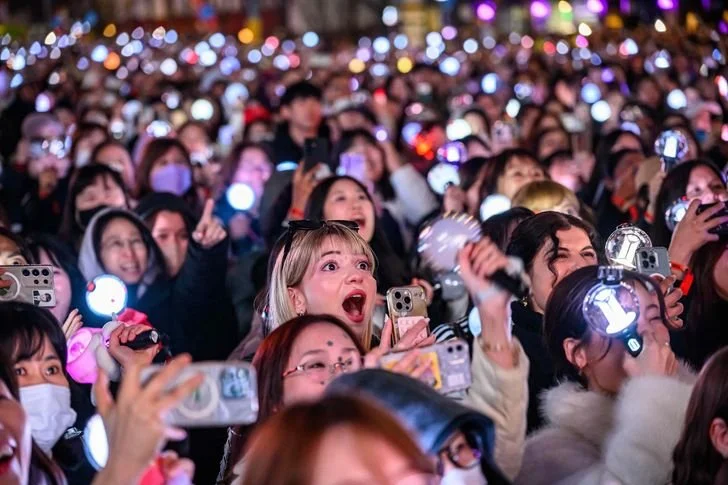
Apparently, going to a concert is no longer simply about buying a ticket, showing up, and enjoying the music. In 2026, if you really love an artist, you might also need a second job, several hundred dollars, and an impressive ability to avoid using the bathroom.
The Music Industrial Advice Complex: When Trying to Become a Musician Becomes a Full-Time Job
Imagine you decide you want to become a musician. You write a song, record it, and get excited about releasing it. Then you discover Spotify playlists, TikTok strategy, branding, PR, social media calendars, email lists, analytics, music conferences, artist coaching, and approximately 7,000 YouTube videos titled “HOW TO BLOW UP AS AN INDEPENDENT ARTIST.”
What GTA 6 Can Teach the Music Industry About Building Lasting Fans
Getting someone to hear a song is one achievement. Giving them a reason to return to it is another.
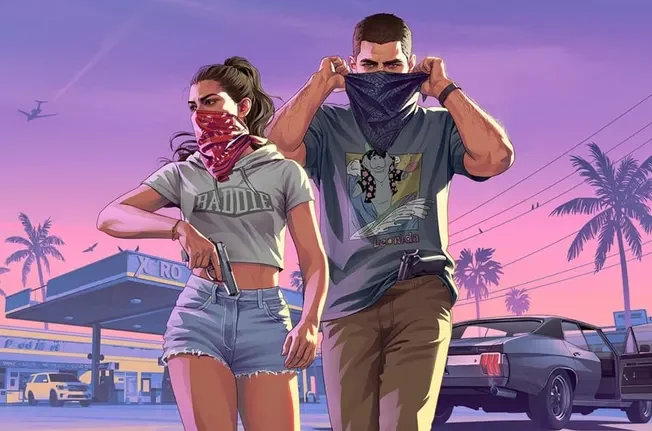
Nick Ditri’s recent Hypebot article explores that distinction through Grand Theft Auto: music can become more meaningful when people discover it within an experience they enjoy and revisit.
That idea deserves a place in the conversation about artist development.
Music marketing often revolves around the release calendar. Announce the single. Publish the content. Secure placements. Track performance. Move to the next campaign.
Each step has a purpose. But the calendar alone cannot answer a fundamental question: What will make this song matter to someone after release week?
Gaming offers a useful perspective. A song can become associated with a setting, a character, or a moment the player remembers. That context gives the listener something beyond the recording itself.
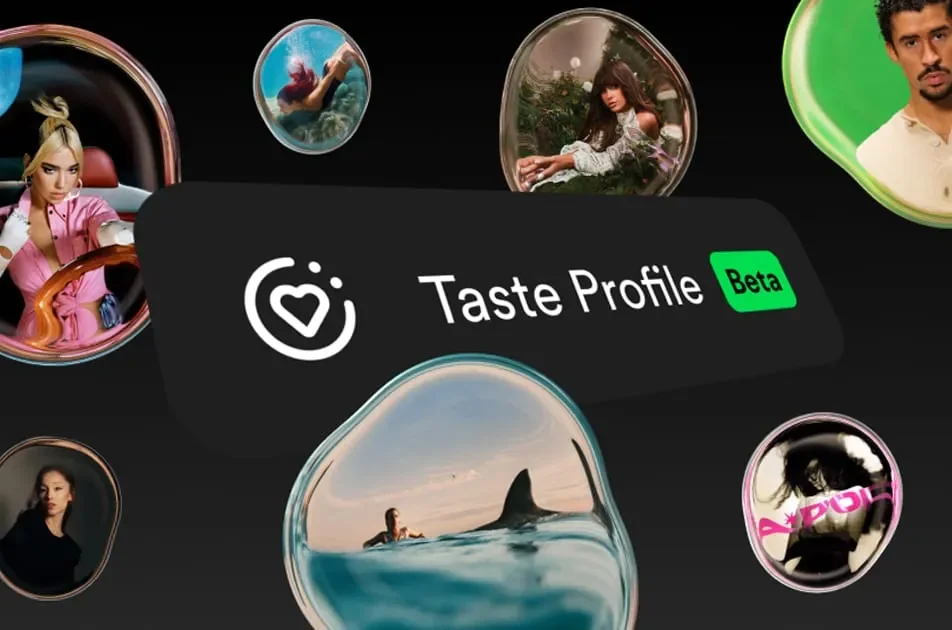
Spotify Is Letting Listeners Talk to the Algorithm — And That Could Matter for Artists
For years, one of the most powerful forces in music discovery has also been one of the least visible: the algorithm.
Every song you play, skip, save or search for helps streaming platforms build an increasingly detailed picture of what they think you want to hear.
Now Spotify is changing that relationship.
With its new Taste Profile feature, Spotify is beginning to let listeners actually tell the algorithm what they want.
And while this may sound like another personalization feature, it could have interesting implications for artists, labels and the future of music discovery.

K-Pop Is Showing the Music Industry That the Song Is Only the Beginning
For decades, the music business has operated around a fairly simple idea: the song is the product.
You record it. You release it. You promote it. You get it onto radio, playlists and social media, and hopefully generate enough attention to create streams, ticket sales and merchandise.
But K-pop has been turning that model around.
The song isn't necessarily the final product anymore. It can be the entrance to an entire world.
Korean entertainment companies aren't simply developing recording artists.
They're building artist universes.